
All Generations
The role of the generations unfolds in the civic spaces and is elucidated by the political events that shape the storyline and are identified as important places by the speakers. These significant political events are for the second generation are:
First Generation
The 1947 Pinlon Agreement, championed by General Aung San, established a framework for Myanmar's multi-ethnic federal state, celebrated annually as "Union Day" on February 12th, but lat
The Rangoon University Student Union building, built in 1931 with Dr. U Nyo's funding, became a symbol of Myanmar's anti-colonial nationalism.

Built in 1897, Jubilee Hall hosted Myanmar's first constitution, served as General Aung San's funeral parlor, and housed national museums until destroyed in 1985.

Second Generation
Following the 1962 coup d'état, General Ne Win suppressed student activism by destroying RUSU and closing universities. This sparked underground resistance culminating in 1988 protests.
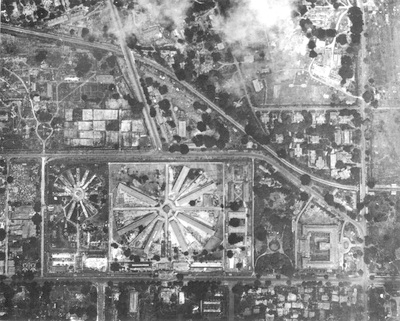
Built in 1958 by Soviet architect Pavel Steniushin, RIT was Myanmar's first architecture school and a key site in the U-Thant Funeral Crisis protests.
Built in 1957, the Rangoon Engineering College (now Institute of Medicine-1) featured the iconic "Dome Hall," a civic space hosting cultural events until destroyed in the 1980s.
Third Generation
The 1974 U Thant Crisis erupted when Ne Win refused proper burial for the former UN Secretary-General, sparking student protests that led to a memorial built in 1975.
Founded in 1887, Yangon University became Myanmar's political epicenter. After losing autonomy in 1962, it faced shutdowns and restructuring due to student activism.
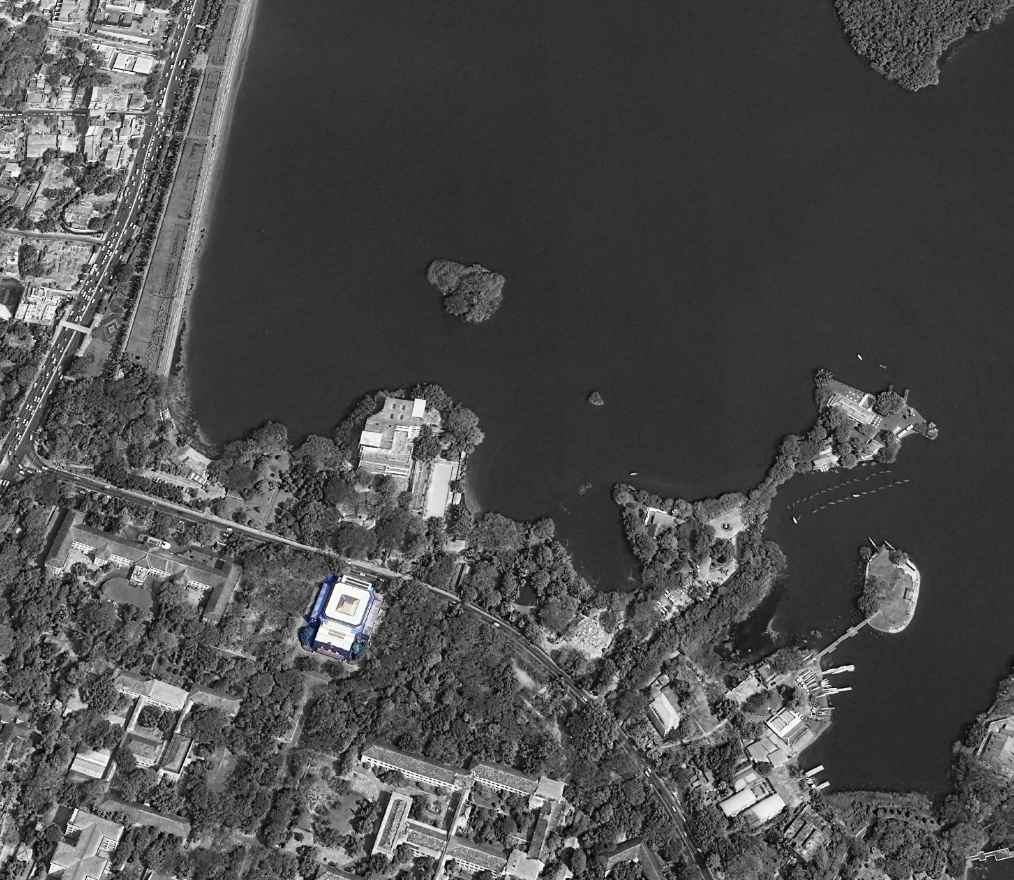
The U Thant Mausoleum, built near Shwedagon Pagoda in 1975, resulted from public protest against military disrespect for the respected UN statesman's funeral.
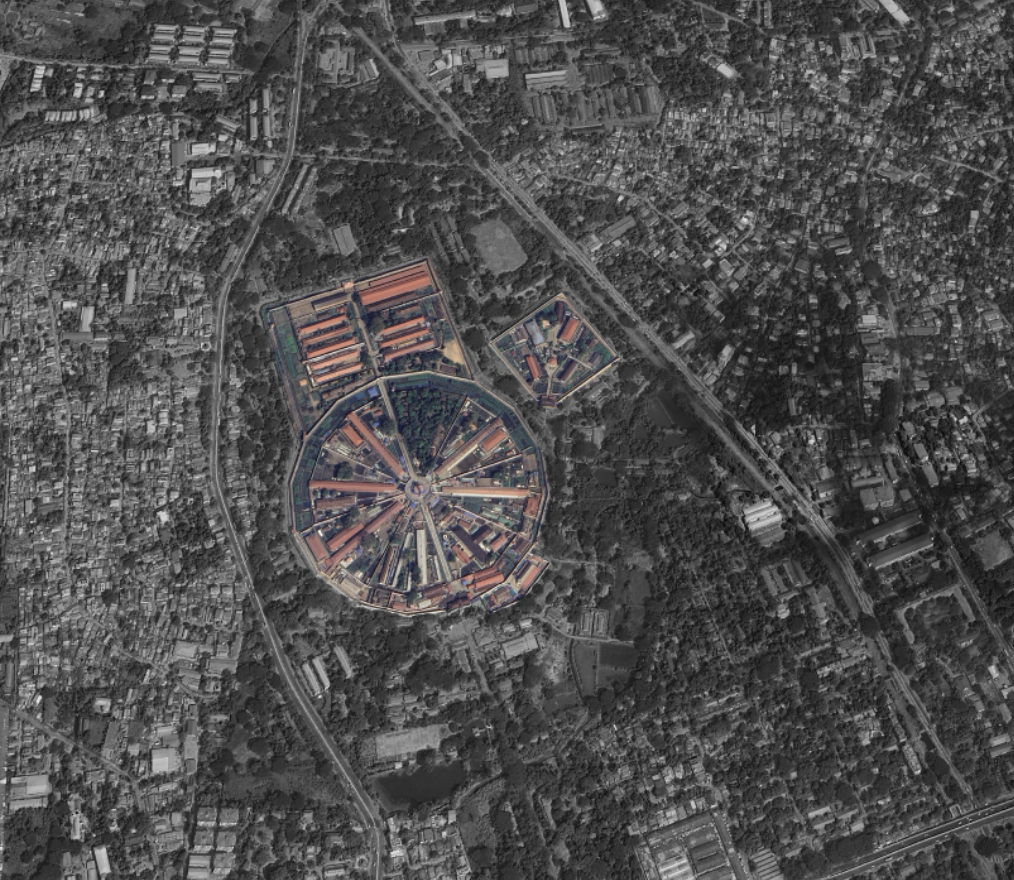
Built in 1866, Rangoon Downtown Prison housed political prisoners who fought for liberation. This smaller version of Insein Prison confined student activists in the 1970s-80s.
Fourth Generation
The 8888 Uprising saw massive protests against General Ne Win's 26-year military rule in Myanmar, marking Aung San Suu Kyi's emergence as a democratic leader.
Yangon General Hospital, a colonial-era medical landmark with unique red brick architecture, treated infectious diseases and played a tragic role during the 1988 protests.
Built in 1926 for Balthazar&Son, this well-preserved colonial building housed the US Embassy after Myanmar's independence and witnessed the tragic 8.8.88 student protest.
Fifth Generation
The 2007 Saffron Revolution saw Myanmar monks protesting rising prices, facing military blockades at key pagodas.
Built in 1982, Bogyoke Aung San Mausoleum was designed by U Sun Oo to honor Myanmar's 1947 assassination victims. Closed for 20 years, it reopened in 2013.
Sixth Generation
The 2021 Golden Spring revolution followed Myanmar's military coup against NLD's electoral win. Civil disobedience evolved into armed resistance as streets became protest spaces.
Streets have evolved as critical civic spaces for protest in Myanmar, with flash mob "operations" becoming a dangerous but effective new tactic against military control.