
Martyr’s Mausoleum
Key notionacknowledging the Statemen and hero General Aung San
The Marty’s Mausoleum was built in 1982. Bogyoke Aung San Mausoleum was initially designed by the RIT alumni and architect U Sun Oo in 1982. After serval changes made by the military regime, it was finally built-in 1982. After more than 20 years of restricted access, the mausoleum opened to the public again in 2013. This is where the victims of the 19th July 1947 assassination in the Secretariat, including General Aung San, are entombed and commemorated. A previous mausoleum to honour the victims of the 1947 assassination was erected in the early 1960s on a nearby site. In 1982, architects all over Myanmar were invited to submit designs for a new commemorative structure. At the architecture faculty of the Institute of Technology at the time, U Sun Oo submitted a design on behalf of the school. The design’s main idea was to create an informal covered space for ordinary Burmese to pay respect to their heroes while at the same time learning about the recent history of the country. [The Marty’s Mausoleum was built in 1982. Bogyoke Aung San Mausoleum was initially designed by the RIT alumni and architect U Sun Oo in 1982. After serval changes made by the military regime, it was finally built-in 1982. After more than 20 years of restricted access, the mausoleum opened to the public again in 2013. This is where the victims of the 19th July 1947 assassination in the Secretariat, including General Aung San, are entombed and commemorated. A previous mausoleum to honour the victims of the 1947 assassination was erected in the early 1960s on a nearby site. In 1982, architects all over Myanmar were invited to submit designs for a new commemorative structure. At the architecture faculty of the Institute of Technology at the time, U Sun Oo submitted a design on behalf of the school. The design’s main idea was to create an informal covered space for ordinary Burmese to pay respect to their heroes while at the same time learning about the recent history of the country. [The architecture ( noch auszuschreiben)]
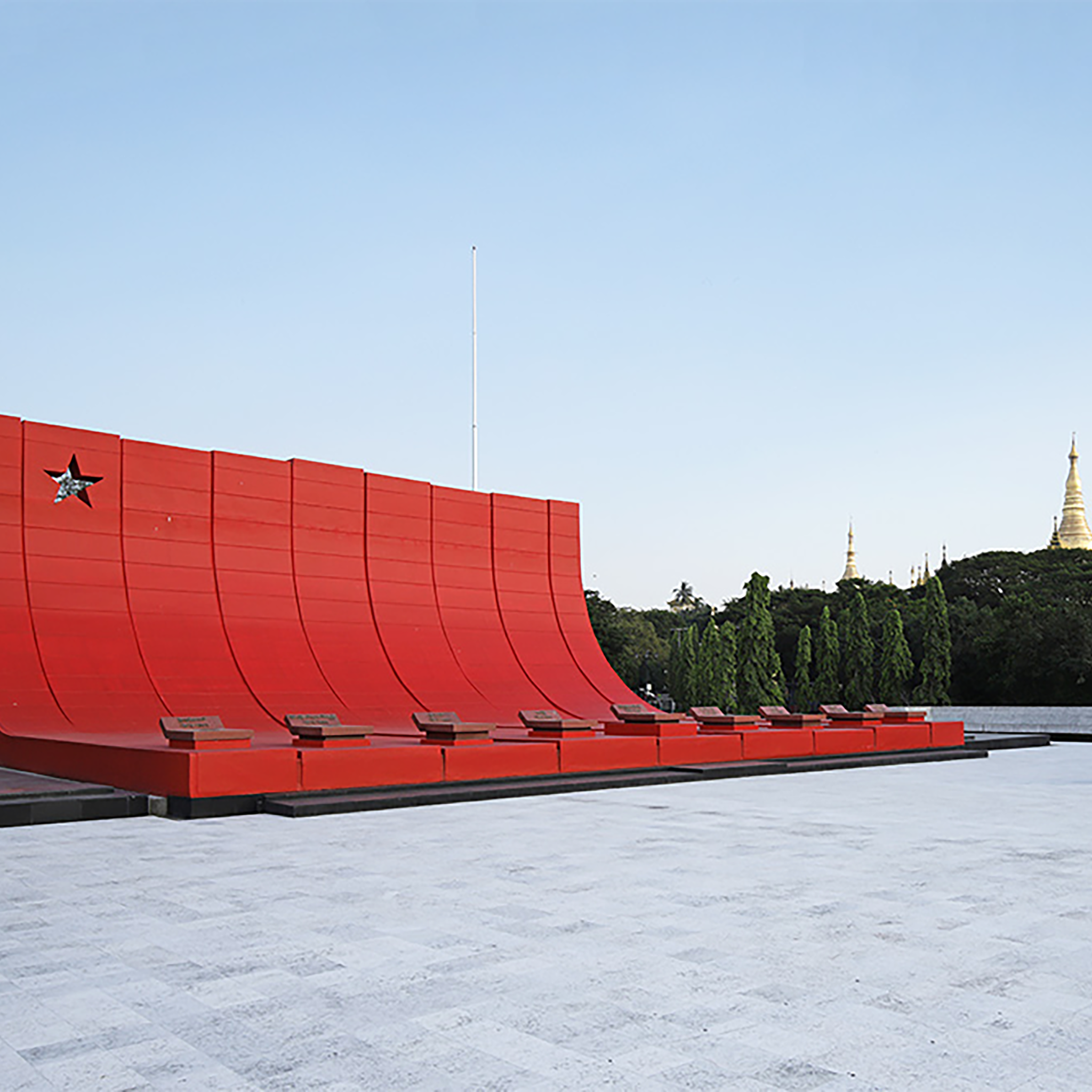
Civic Space Category religious/ memorial
Built1984
Location AdressAr Za Ni Street
Interviews
I was not afraid.
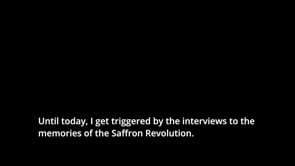 When clicked, this video is loaded from Vimeo servers. See our privacy policy for details.
They started killing the monks
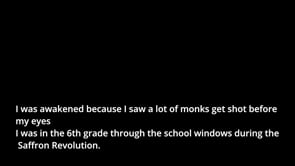 When clicked, this video is loaded from Vimeo servers. See our privacy policy for details.
Other Locations from this {post_terms_timeline:plain} Generation
See other generations
First Generation
The 1947 Pinlon Agreement, championed by General Aung San, established a framework for Myanmar's multi-ethnic federal state, celebrated annually as "Union Day" on February 12th, but lat
Second Generation
Following the 1962 coup d'état, General Ne Win suppressed student activism by destroying RUSU and closing universities. This sparked underground resistance culminating in 1988 protests.
Third Generation
The 1974 U Thant Crisis erupted when Ne Win refused proper burial for the former UN Secretary-General, sparking student protests that led to a memorial built in 1975.
Fourth Generation
The 8888 Uprising saw massive protests against General Ne Win's 26-year military rule in Myanmar, marking Aung San Suu Kyi's emergence as a democratic leader.
Sixth Generation
The 2021 Golden Spring revolution followed Myanmar's military coup against NLD's electoral win. Civil disobedience evolved into armed resistance as streets became protest spaces.