
Historic Rangoon University Student Union (RUSU)
Key notionnest of liberation and democratic movements the legacy of student unions destroyed heritage
Of small scale but even greater embodiment of political changes next to the university is the historic Rangoon University Student Union building RUSU [58]. Funded by donations of a wealthy Burmese businessman called Dr. U Nyo, the building was finished in summer of 1931. This establishment of the RUSU allowed the students to gather and stratify profound events that would change Myanmar’ narrative. Due to its crucial work from the liberation of the colonial rulership, the building has become since the 1920s a symbol of anti-colonial nationalism and anti-fascism.
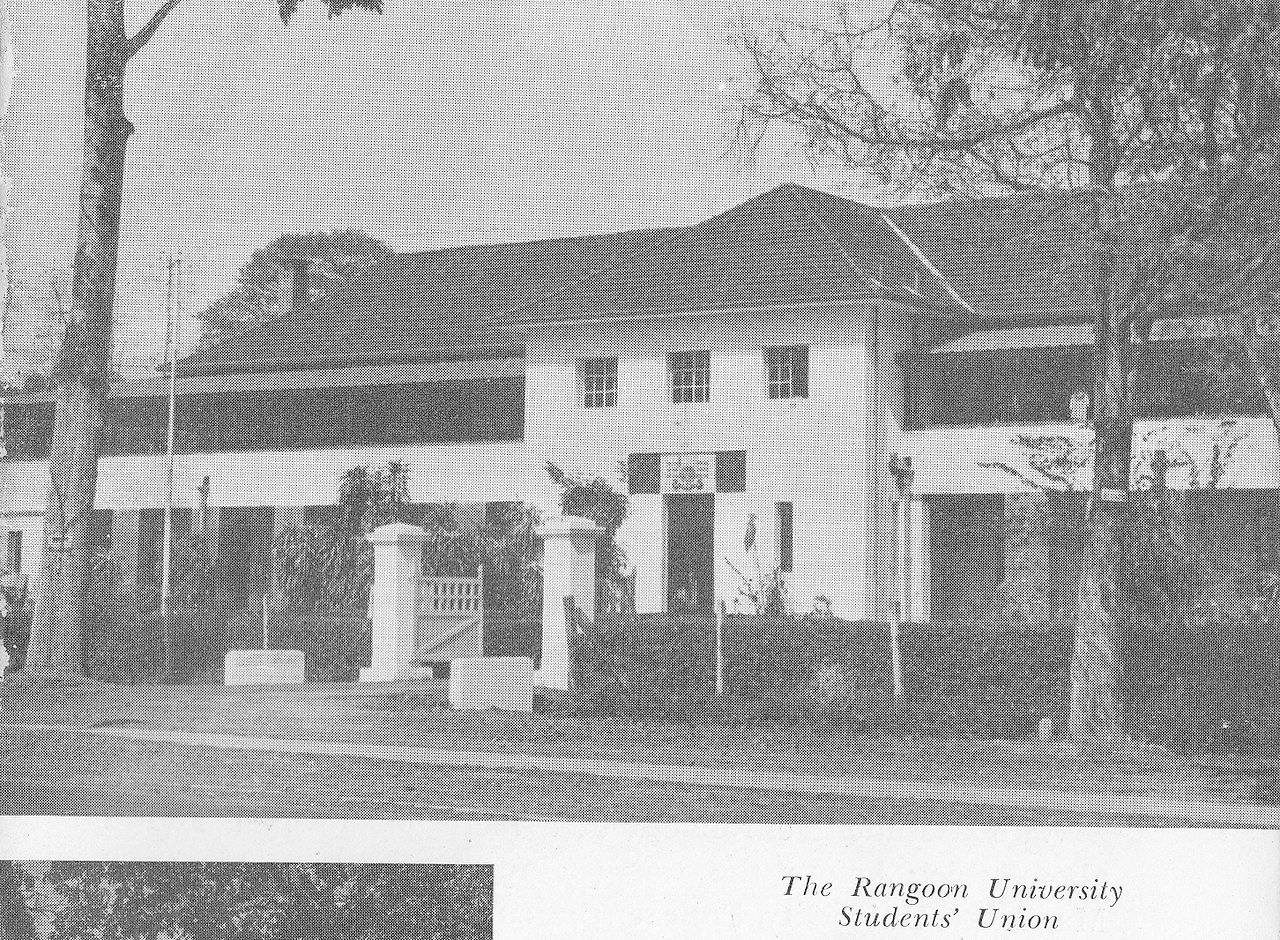
Civic Space Category educational
Built1931
Demolished Time1962; 1963
Date of Incident8th July 1962
Location Adress300 Adipati Road
Interviews
Peaceful March
 When clicked, this video is loaded from Vimeo servers. See our privacy policy for details.
Student Memorial Stone
 When clicked, this video is loaded from Vimeo servers. See our privacy policy for details.
Burma Student Day
 When clicked, this video is loaded from Vimeo servers. See our privacy policy for details.
Repeatedly Destroyed
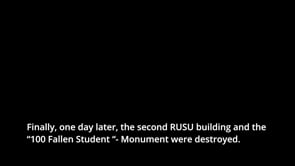 When clicked, this video is loaded from Vimeo servers. See our privacy policy for details.
Trees destroy the Foundation
 When clicked, this video is loaded from Vimeo servers. See our privacy policy for details.
Other Locations from this {post_terms_timeline:plain} Generation
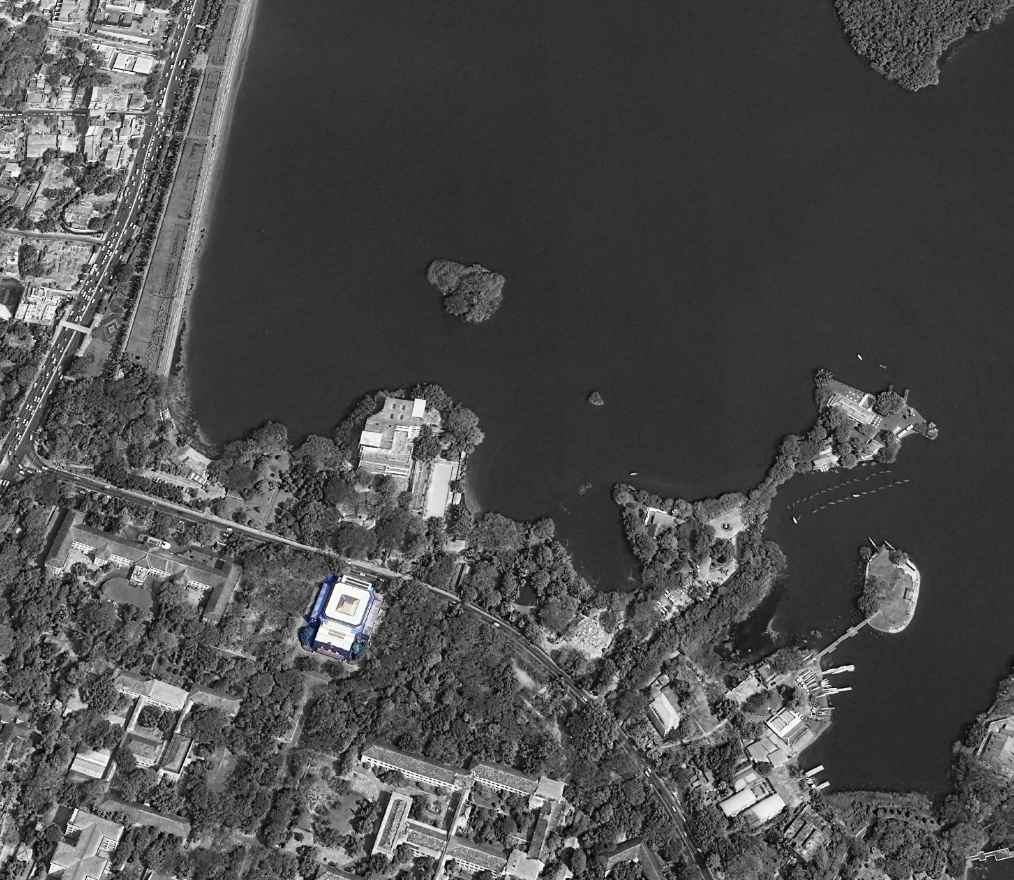
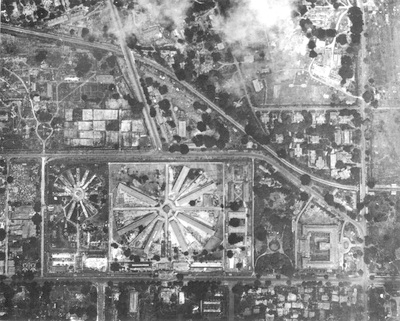
Built in 1897, Jubilee Hall hosted Myanmar's first constitution, served as General Aung San's funeral parlor, and housed national museums until destroyed in 1985.

See other generations
Second Generation
Following the 1962 coup d'état, General Ne Win suppressed student activism by destroying RUSU and closing universities. This sparked underground resistance culminating in 1988 protests.
Third Generation
The 1974 U Thant Crisis erupted when Ne Win refused proper burial for the former UN Secretary-General, sparking student protests that led to a memorial built in 1975.
Fourth Generation
The 8888 Uprising saw massive protests against General Ne Win's 26-year military rule in Myanmar, marking Aung San Suu Kyi's emergence as a democratic leader.
Fifth Generation
The 2007 Saffron Revolution saw Myanmar monks protesting rising prices, facing military blockades at key pagodas.
Sixth Generation
The 2021 Golden Spring revolution followed Myanmar's military coup against NLD's electoral win. Civil disobedience evolved into armed resistance as streets became protest spaces.