
Former US Embassy
Key notionForeign Witness
The building was built in 1926 for the business traders of Balthazar&Son, in the mid of the Commerce District of the Dowtown part of Yangon. Unlike other Colonial buildings, this compound was due to its long-term use as an embassy well maintained. As architectural modern building, it blends in with surrounding architectural style with the white bricks. For its strategic interest to fight Communism in the region, the US moved into this building after Myanmar’s Independence. Today the US Embassy moved out of this building to a newly built compound near the Inya Lake. The US Embassy moved into these premises soon after Burmese independence. Burma was of utmost strategic interest to the Americans, who feared the spread of Communism in the region. It was here, in front of the embassy, when the fire was opened towards an unarled mass of student protestors on 8th August 1988. The doors of the embassy were opend and gave shelter to the many protestors but still today is a relic of the tragic historic event in the struggle of Myanamr for democracy and self- determination.
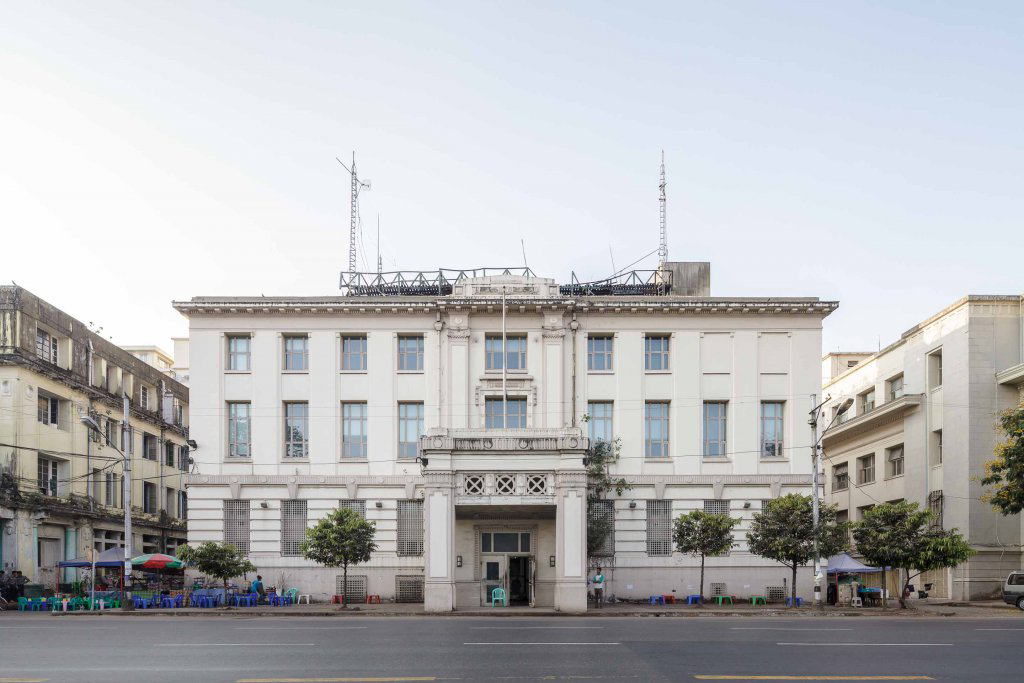
Built1926
Interviews
The Leader
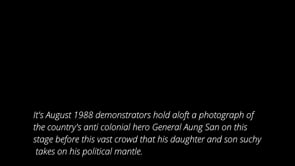 When clicked, this video is loaded from Vimeo servers. See our privacy policy for details.
Other Locations from this {post_terms_timeline:plain} Generation
Yangon General Hospital, a colonial-era medical landmark with unique red brick architecture, treated infectious diseases and played a tragic role during the 1988 protests.
See other generations
First Generation
The 1947 Pinlon Agreement, championed by General Aung San, established a framework for Myanmar's multi-ethnic federal state, celebrated annually as "Union Day" on February 12th, but lat
Second Generation
Following the 1962 coup d'état, General Ne Win suppressed student activism by destroying RUSU and closing universities. This sparked underground resistance culminating in 1988 protests.
Third Generation
The 1974 U Thant Crisis erupted when Ne Win refused proper burial for the former UN Secretary-General, sparking student protests that led to a memorial built in 1975.
Fifth Generation
The 2007 Saffron Revolution saw Myanmar monks protesting rising prices, facing military blockades at key pagodas.
Sixth Generation
The 2021 Golden Spring revolution followed Myanmar's military coup against NLD's electoral win. Civil disobedience evolved into armed resistance as streets became protest spaces.