
The Dome at Institute of Medicine
Key notionthe Dome, surround sound system
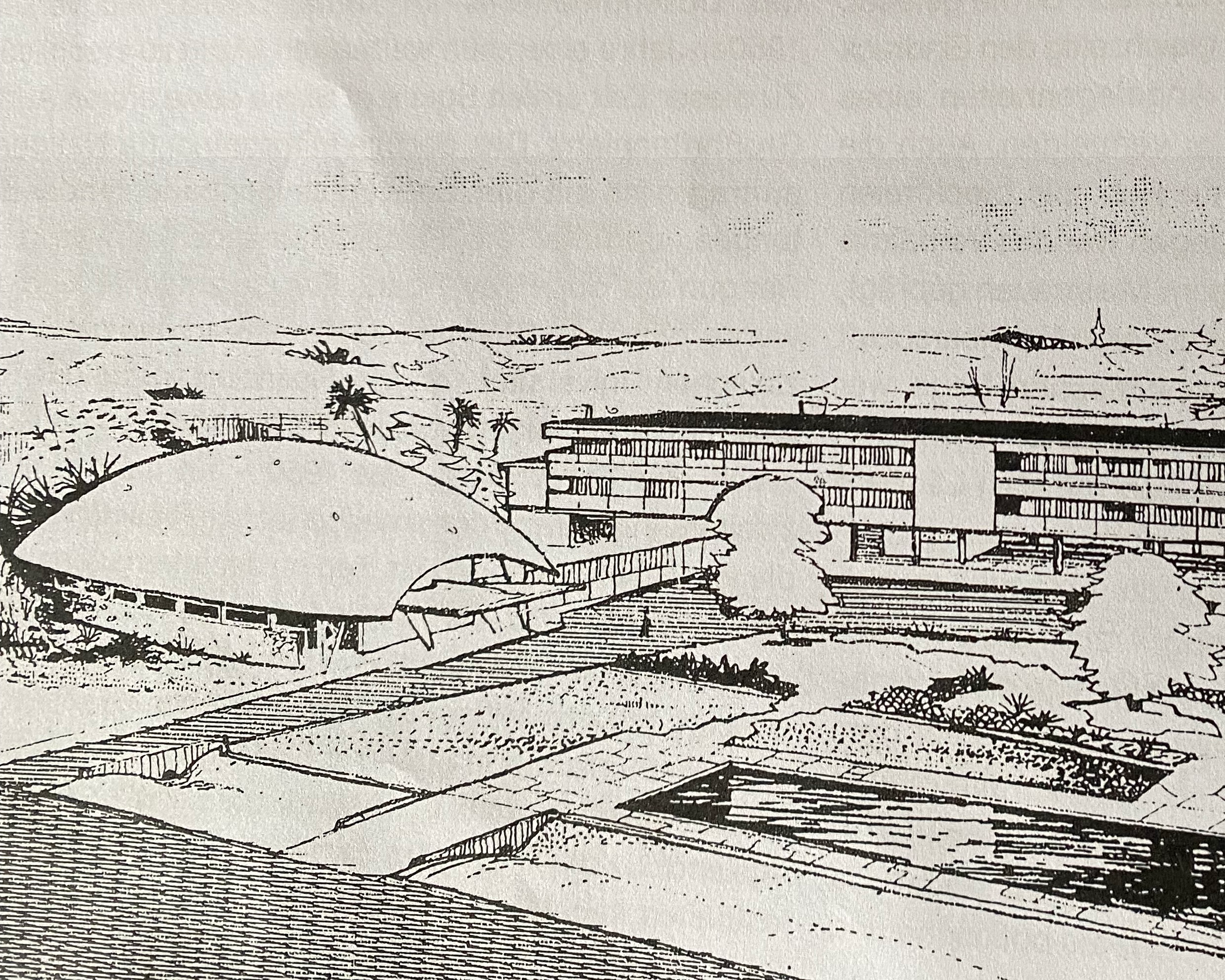
The formerly named Rangoon Engineering College was finished in ca. 1957 and is called today Institute of Medicine- 1. This site is part of a series of universities that were part of the student protests. The foundation for the Institute for Medicine -1 was laid on 3rd March 1954. The university is constituted by different components. The historic Dome Hall needs to be considered as a “civic space” for its social and recreational aspects for the students and the citizens of Yangon. The architectural language and the events that take place within are testimonies to Yangon’s inclusion to the international progressive world. It won the “People’s Design Prize” back in 1960. This Dome is filled with memories ranging from weddings to religious venues, and students festives and sports events like basketball games. It was here that students celebrated their festive. The vault of “The Dome” as the students would call it was made of teak wood and became one of the most impressive and proud components of the campus. One of the most known concerts was held by Benny Goodman around 1956/57 . Later, during the 80s the Mimitary Regime would destroy this building for a banal reason, according to Aung Saw Oo, and sold to the money laundry business of the military’s cronies for 25. OOO kyat, remembers Aung Saw Oo.
Civic Space Category educational
Built1954-1956
Demolished Timeunknown
Location AdressQ4JW+5CG Cafeteria, No.245 မြို့မကျောင်းလမ်း, Yangon, Myanmar
Interviews
The Dome
 When clicked, this video is loaded from Vimeo servers. See our privacy policy for details.
Other Locations from this {post_terms_timeline:plain} Generation
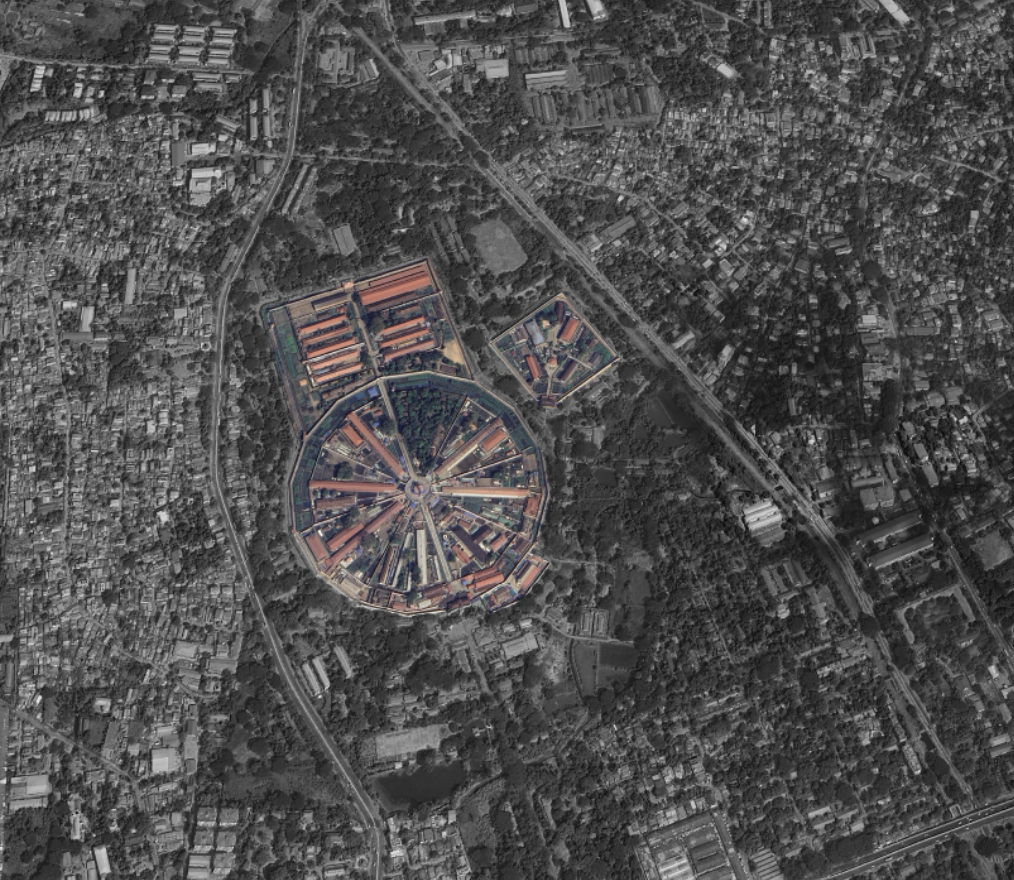
Built in 1958 by Soviet architect Pavel Steniushin, RIT was Myanmar's first architecture school and a key site in the U-Thant Funeral Crisis protests.

See other generations
First Generation
The 1947 Pinlon Agreement, championed by General Aung San, established a framework for Myanmar's multi-ethnic federal state, celebrated annually as "Union Day" on February 12th, but lat
Third Generation
The 1974 U Thant Crisis erupted when Ne Win refused proper burial for the former UN Secretary-General, sparking student protests that led to a memorial built in 1975.
Fourth Generation
The 8888 Uprising saw massive protests against General Ne Win's 26-year military rule in Myanmar, marking Aung San Suu Kyi's emergence as a democratic leader.
Fifth Generation
The 2007 Saffron Revolution saw Myanmar monks protesting rising prices, facing military blockades at key pagodas.
Sixth Generation
The 2021 Golden Spring revolution followed Myanmar's military coup against NLD's electoral win. Civil disobedience evolved into armed resistance as streets became protest spaces.